Supportive Addiction Treatment: Find Your Direction to Sobriety
A compassionate substance abuse recovery delivers a refined approach to healing. It prioritizes compassion and insight, acknowledging the complex emotional origins of dependency. This approach creates a nurturing setting, motivating individuals to confront their challenges. Incorporating holistic practices can improve strength and drive. Nevertheless, questions remain about the efficacy of community support and evidence-based strategies. Which factors genuinely aid to a positive healing path? Exploring these aspects uncovers greater understanding into compassionate care.
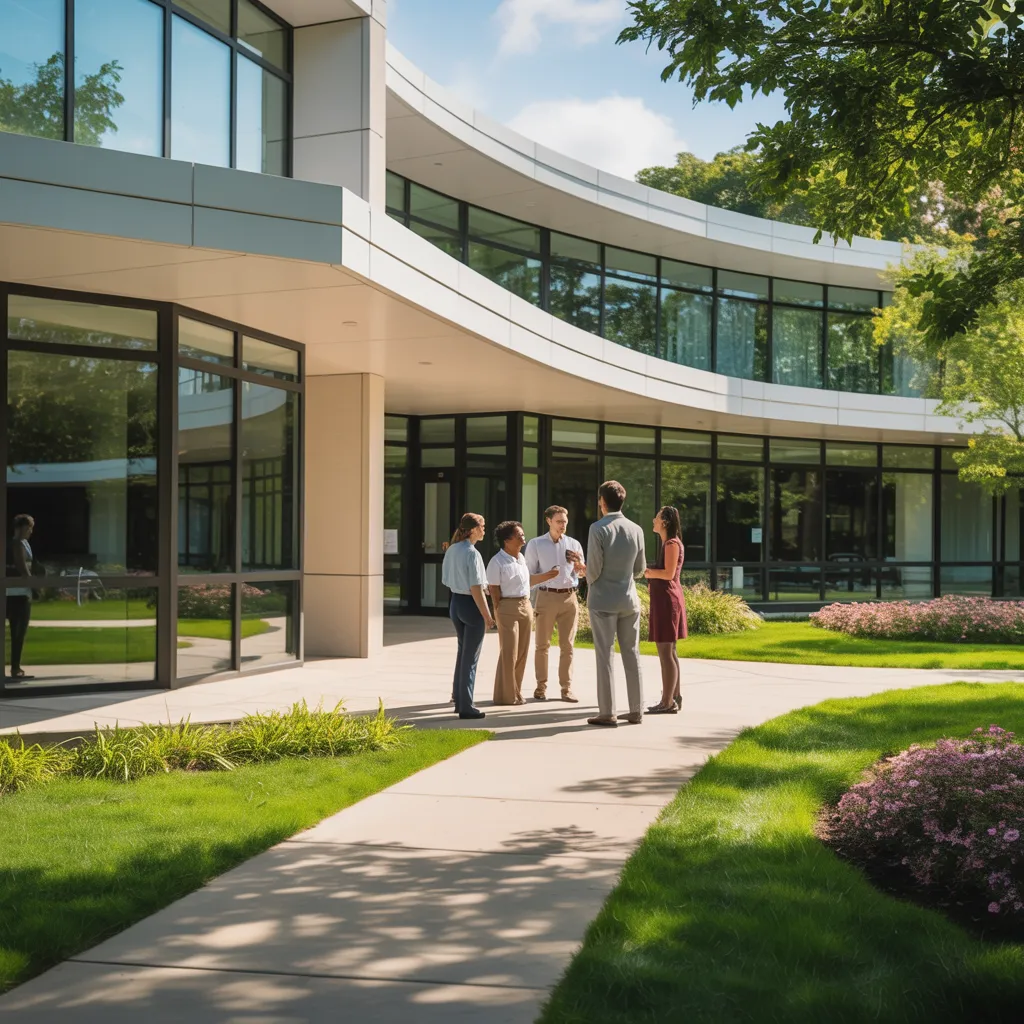
What Does Compassionate Addiction Treatment Involve and How Can It Benefit You?
What renders empathetic recovery programs an crucial method for those seeking recovery? This system emphasizes compassion and insight, understanding that addiction is often originating from deep-seated emotional difficulties. Unlike standard treatment models that may focus solely on abstinence, empathetic recovery cultivates a empathetic atmosphere where patients feel safe to confront their struggles.
By leveraging strategies that emphasize emotional well-being, people are more inclined to take part in their therapeutic process. This approach not only addresses the somatic signs of addiction but also promotes mending of underlying traumas, reducing feelings of shame and isolation.
Additionally, compassionate addiction treatment often includes comprehensive wellness techniques, such as meditation and stress management, aiding recovery further. Ultimately, this person-centered approach empowers individuals to regain control of their lives, develop strength, and develop healthier coping mechanisms, making it an essential option for those seeking lasting change.
Compassion Principles That Facilitate Recovery
What role does compassion play in improving the rehabilitation journey for individuals struggling with addiction? Empathy represents a vital component in promoting a supportive environment for recovery. By appreciating the emotional and psychological struggles of those affected by addiction, treatment providers can personalize their interventions to cater to specific requirements. This tailored approach nurtures trust, making individuals feel valued and understood.
Empathy principles encourage transparent dialogue, allowing individuals to express their emotions without fear of criticism. Such an atmosphere can greatly reduce sense of loneliness, promoting a feeling of connection. In addition, empathetic interactions can help individuals recognize their capabilities and strength, strengthening their motivation to engage in recovery.
How Community Help Aids to Compassionate Drug Therapy
Why is group assistance critical to enhancing humane recovery programs? Collective backing functions as a vital foundation in the treatment process. It nurtures a spirit of unity, assisting participants to relate to others who hold similar experiences. This attachment can mitigate waves of loneliness often present in addiction, providing mental sustenance and resolve.
Support structures, community-based programs, and collaborative mentoring supply valuable strategies and emotional management techniques, empowering folks to work through their recovery process more productively. Additionally, community engagement cultivates answerability, as participants maintain a sense of duty to themselves and their colleagues.
Additionally, group experiences within a supportive network can facilitate shared resources, strengthening opportunity for treatment options and holistic practices. Ultimately, community support not only supports affective recovery but also strengthens the understanding that recuperation is within reach, building a nurturing environment where people can thrive on their journey toward healing.
Defeating Stigma in Compassionate Drug Treatment
Community involvement matters greatly in confronting the bias connected to addiction, which can thwart individuals from finding help. Labeling often produces despair and disconnection, holding back those coping with addiction from seeking out help. By nurturing an context of empathy and openness, communities can help dismantle these damaging perceptions.
Education is essential in this initiative; informing the public about addiction as a complicated medical condition rather than a character flaw can change attitudes. Peer networks and community groups also function as platforms for exchanging personal stories, which humanize the struggle and showcase recovery successes.
Supporting transparent dialogue about addiction can create a inclusive atmosphere, enabling it more straightforward for members to pursue the compassionate treatment they want. Through unified action, communities can contribute to a more supportive landscape, ultimately advancing wellness and lowering stigma for those touched by chemical dependency.
Evidence-Based Interventions to Compassionate Addiction Treatment
While substance abuse treatment choices differ, evidence-based approaches are essential for guaranteeing effective and compassionate care. These methods depend on research findings and clinical studies to identify the most effective interventions for people battling substance abuse. Standard research-backed methods encompass cognitive-behavioral therapy (CBT), motivational interviewing, and contingency management, each designed to tackle the distinct difficulties of addiction.
Moreover, medication-based intervention (MAT) has gained acceptance for its capacity to support wellness while curbing withdrawal manifestations. By uniting these methods, medical centers can offer individualized treatment that considers distinct backgrounds and circumstances.
Furthermore, ongoing evaluations and modifications based on patient input help maintain involvement and progress. This dedication to applying proven methods not only enhances recovery results but also creates a caring environment where individuals feel valued and recognized. Consequently, research-backed strategies play a vital function in supporting long-term healing and boosting overall well-being.
How to Initiate Your Experience in Caring Drug Treatment?
How can someone begin their path toward empathetic substance abuse recovery? The first step involves recognizing the need for assistance, which can be intimidating yet liberating. Obtaining support from loved ones, family members, or experts can offer motivation and guidance. People should explore various recovery programs, including therapy, peer support networks, and comprehensive methods that stress empathy and insight.
Next, consulting with a healthcare clinician or addiction specialist is essential for evaluating the individual's needs and developing a personalized treatment plan. This plan may integrate validated practices alongside compassionate care to confront both the behavioral and affective aspects of addiction.
Ultimately, people should remain receptive to change and hold to a commitment to their rehabilitation. Constructing a supportive network and practicing health-promoting activities can reinforce this journey, building resilience and hope. By pursuing these opening moves, one can progress along a path toward healing and sustained progress.
Frequently Asked Questions
What Attributes Do I Need to Search for in a Considerate Treatment Provider?
A empathetic treatment provider should possess relevant credentials, expertise in substance abuse therapy, a strong empathetic approach, and a commitment to evidence-based practices. Additionally, they should demonstrate additional info cultural awareness and a encouraging, unbiased demeanor to their clients.
What is the Typical Length of Compassionate Addiction Treatment?
Compassionate substance abuse care typically spans 30 days to several months, based on individual needs and progress. Factors determining duration include the severity of addiction, co-occurring disorders, and the treatment approach utilized.
Do Compassionate Addiction Treatment Programs Have Financial Charges?
Expenses related to sympathetic dependency recovery programs can change substantially. Elements influencing costs include the program's timeframe, location, and services offered available. Numerous facilities also extend financial aid or tiered payment options to accommodate various financial situations.
Is it feasible to engage in Compassionate Treatment While balancing My Job or Education?
Yes, individuals can attend caring therapy while maintaining their employment or education. Many initiatives offer flexible schedules, enabling attendees to juggle their responsibilities while obtaining the necessary support for recovery and personal growth.
What Should I Do if I Experience a setback During Therapy?
If a relapse happens during treatment, it is crucial to acknowledge the setback without shame. Obtaining support from counselors, companions, or collective sessions can facilitate in understanding triggers and recommitting to the recovery process.