Empathetic Drug Services: Identify Your Way to Recovery
A compassionate addiction treatment delivers a nuanced strategy to healing. It emphasizes empathy and understanding, acknowledging the complex emotional roots of dependency. This method creates a nurturing setting, motivating people to confront their challenges. Incorporating comprehensive wellness techniques can improve resilience and motivation. Nevertheless, concerns persist about the effectiveness of peer assistance and research-backed approaches. Which elements truly contribute to a positive healing path? Examining these dimensions reveals deeper insights into empathetic treatment.
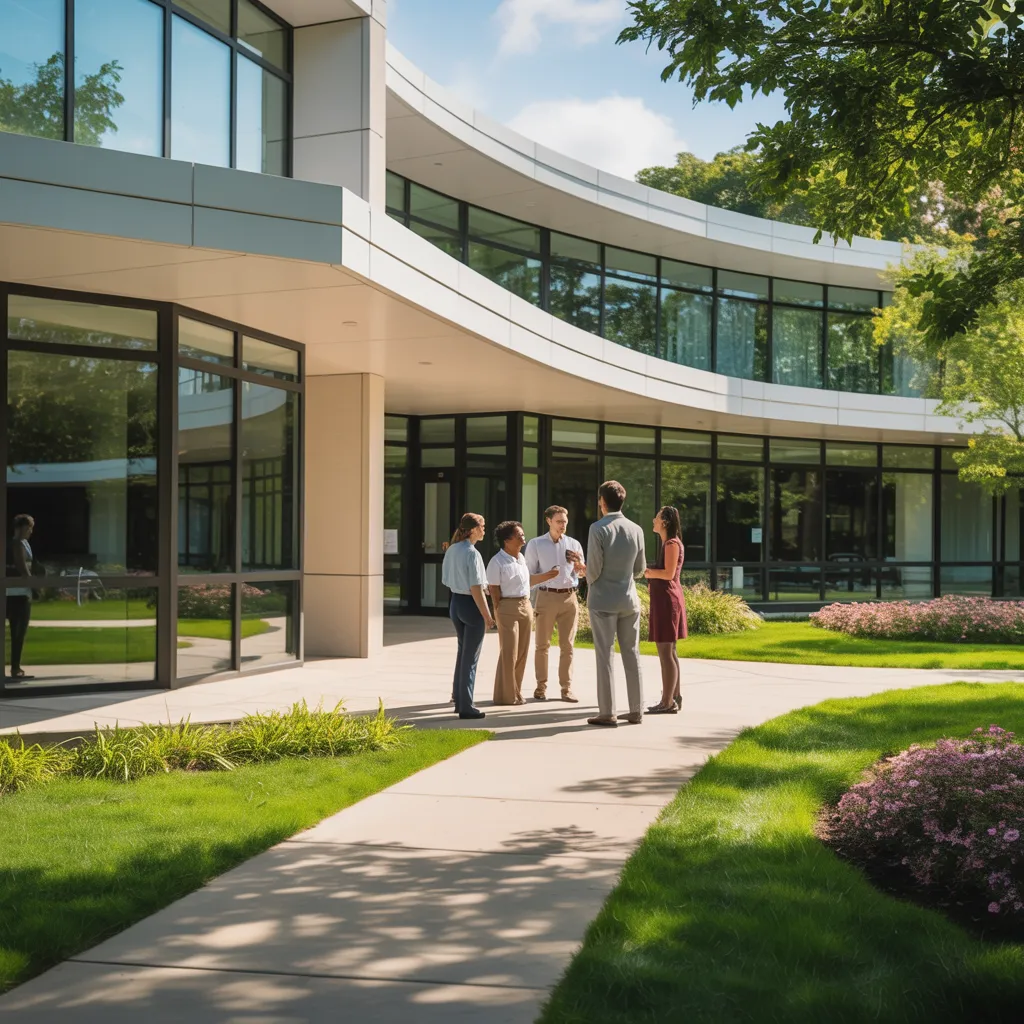
How Compassionate Addiction Treatment Functions and What Advantages Can It Offer You?
What renders compassionate addiction treatment an vital approach for those striving for wellness? This method focuses on emotional awareness and recognition, recognizing that addiction is often rooted in deep-seated emotional difficulties. Unlike standard treatment models that may emphasize only abstinence, supportive therapy builds a supportive environment where people feel comfortable to face their struggles.
By leveraging techniques that highlight psychological wellness, patients are more likely to engage actively in their recovery journey. This strategy not only addresses the physical symptoms of addiction but also promotes healing of underlying traumas, lessening sense of embarrassment and disconnection.
Moreover, compassionate substance abuse recovery often incorporates holistic practices, such as mindfulness and stress reduction, furthering recovery efforts. Ultimately, this individual-focused approach empowers individuals to reclaim their lives, build resilience, and develop healthier coping mechanisms, making it crucial for those pursuing lasting change.
Compassion Principles That Facilitate Recovery
How can empathy transform the healing journey for individuals struggling with addiction? Empathy serves as a essential element in creating a supportive environment for recovery. By recognizing the emotional and psychological struggles of those affected by addiction, treatment providers can customize their methods to address personal requirements. This personalized attention builds trust, making people feel appreciated and heard.
Empathy principles encourage open communication, allowing individuals to convey their sentiments without dread of condemnation. Such an atmosphere can markedly decrease sense of loneliness, advancing a feeling of community. In addition, empathetic interactions can help individuals recognize their fortitude and strength, reinforcing their motivation to commit to recovery.
Local Assistance's Function in Compassionate Addiction Rehabilitation
In what ways does community support improve compassionate addiction treatment? Community support functions as a essential cornerstone in the recovery journey. It fosters a sense of belonging, enabling people to engage with others related content who have similar experiences. This bond can alleviate feelings of isolation often linked to addiction, offering psychological support and encouragement.
Support initiatives, neighborhood programs, and mutual guidance present practical solutions and adaptive techniques, strengthening individuals to progress in their recovery endeavor more competently. Besides, community participation fosters accountability, as members experience a commitment to their own recovery and their associates.
Moreover, collective experiences within a caring community can lead to shared resources, enhancing availability of therapeutic choices and holistic practices. Ultimately, community support not only aids in psychological recovery but also strengthens the conviction that recovery is possible, establishing a nurturing environment where people can flourish on their journey toward wellness.
Defeating Discrimination in Caring Addiction Treatment
Community backing serves as a key element in combating the social stigma concerning addiction, which can impede individuals from seeking help. Stigmatization often results in loneliness and shame, preventing those dealing with addiction from requesting aid. By establishing an atmosphere of acceptance and compassion, communities can help eliminate these negative views.
Education is crucial in this effort; informing the public about addiction as a complex health issue rather than a moral failing can change attitudes. Community groups and community-based organizations also serve as platforms for exchanging personal stories, which humanize the struggle and emphasize recovery successes.
Promoting open conversations about compulsive behavior can generate a culture of acceptance, making it easier for folks to secure the compassionate treatment they deserve. Through coordinated initiatives, neighborhoods can give back to a more supportive landscape, ultimately promoting recuperation and reducing stigma for those dealing with addiction.
Research-Backed Techniques for Caring Addiction Treatment
While addiction treatment options differ, evidence-based approaches are crucial for guaranteeing quality and empathetic treatment. These approaches rely on scientific research and clinical trials to identify the most effective interventions for individuals struggling with addiction. Standard research-backed methods include cognitive-behavioral therapy (CBT), motivational interviewing, and reward-based reinforcement, each created to tackle the unique challenges of addiction.
In addition, substance-support therapy (MAT) has received validation for its capacity to foster improvement while reducing withdrawal reactions. By consolidating these approaches, treatment programs can present adapted care that honors unique journeys and requirements.
Furthermore, ongoing assessments and modifications based on patient feedback help sustain engagement and progress. This dedication to utilizing established methods not only enhances recovery outcomes but also fosters a compassionate environment where individuals feel appreciated and recognized. Consequently, research-backed strategies play a vital function in supporting sustained healing and improving overall health.
How to Embark on Your Voyage in Sympathetic Substance Treatment?
What approaches can a person take on their path toward compassionate addiction treatment? The first step requires acknowledging the need for help, which can be intimidating yet liberating. Obtaining help from friends, family, or professionals can offer encouragement and guidance. People should explore different recovery programs, such as counseling, support groups, and holistic approaches that emphasize compassion and insight.
Next, connecting with a healthcare provider or dependency counselor is indispensable for assessing the individual's needs and creating a personalized treatment plan. This plan may incorporate empirically-supported practices alongside sympathetic care to address both the psychological and emotional aspects of addiction.
Ultimately, people should remain open to change and copyright a commitment to their healing. Creating a supportive network and engaging in self-care practices can improve this journey, fostering resilience and optimism. By implementing these initial steps, one can set out on a path toward recovery and lasting recovery.
Frequently Asked Questions
What Attributes Must I Consider in a Caring Treatment Provider?
A sympathetic practitioner should maintain relevant credentials, experience in addiction counseling, a solid compassionate methodology, and a commitment to evidence-based practices. Additionally, they should exhibit cultural proficiency and a nurturing, impartial attitude towards clients.
What Timeframe Should You Expect for Compassionate Addiction Treatment?
Compassionate substance abuse therapy typically spans 30 days to several months, based on individual needs and progress. Factors influencing duration include the intensity of the addiction disorder, concurrent mental health conditions, and the treatment approach utilized.
What Costs Are Related to Compassionate Addiction Treatment Programs?
Charges associated with caring substance abuse treatment initiatives can range widely. Determinants affecting costs include the program's duration, location, and services delivered. Many facilities also offer monetary help or sliding scale fees to support varied economic circumstances.
Is it feasible to attend Compassionate Treatment While juggling My Job or Education?
Yes, people can participate in compassionate treatment while keeping their employment or education. Many programs provide adaptable timing, enabling attendees to balance their obligations while receiving the required assistance for recovery and personal growth.
What Might I Do if I Revert to old habits During Treatment?
If a setback takes place during treatment, it is vital to acknowledge the lapse without shame. Seeking help from advisors, peers, or group sessions can aid in identifying triggers and renewing commitment to the healing journey.